Amarnath Yatra 2026: Complete Travel Guide from Srinagar
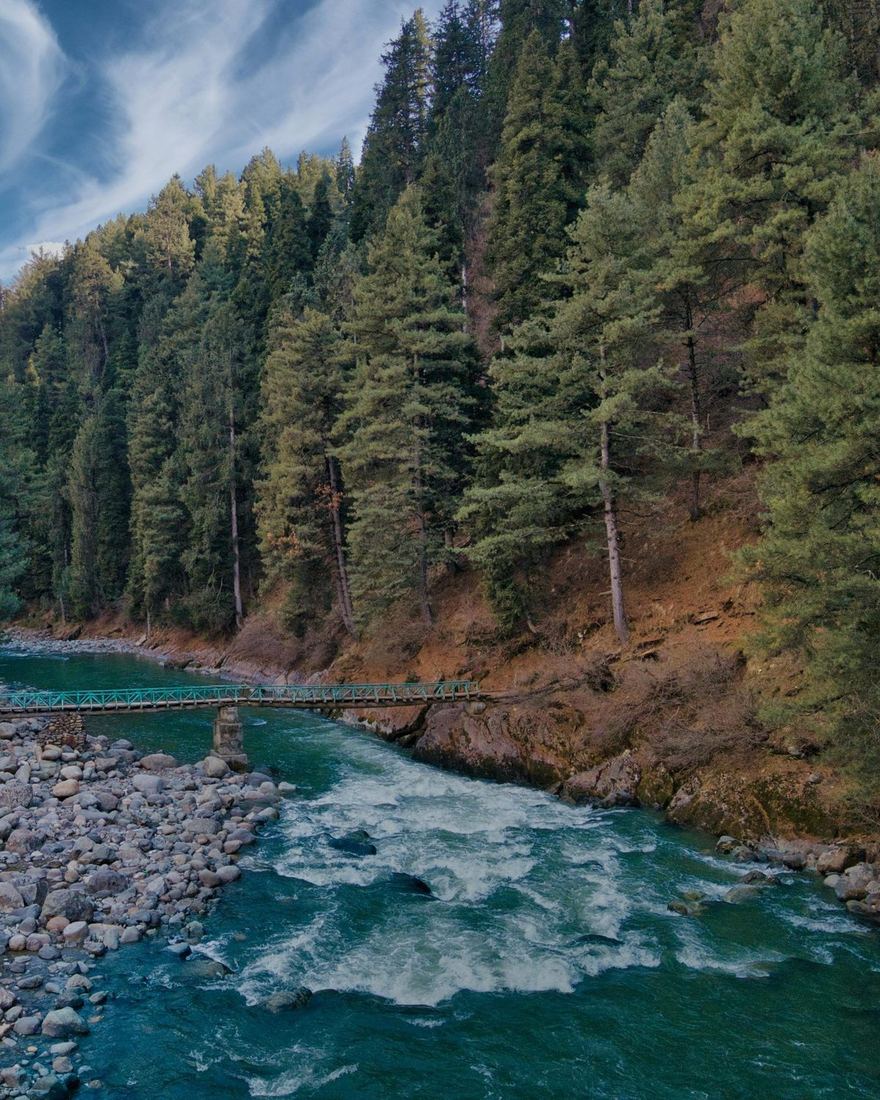
The Amarnath Yatra is one of India's most revered Hindu pilgrimages — a journey to the holy ice lingam in a high Himalayan cave. For pilgrims travelling via Srinagar, here's a practical guide to the routes, preparation, and how cab logistics fit into the journey. (Always follow official Shri Amarnathji Shrine Board guidance for current dates and rules.)
The Two Routes
Pahalgam Route (Traditional)
The classic, longer route starts from Pahalgam (Chandanwari base) and passes Sheshnag and Panchtarni before reaching the cave. It takes a few days but is considered the traditional, scenic pilgrimage path.
Baltal Route (Shorter)
The shorter, steeper route from Baltal (near Sonamarg) can be done in a long day by fit pilgrims, but it's more strenuous. Helicopter services to Panjtarni are sometimes available to shorten the trek.
How Cabs Fit In
Your cab takes you from Srinagar to the base camps — Pahalgam (for the traditional route) or Baltal/Sonamarg (for the shorter route). The trek itself is on foot, pony, or palki beyond the road-head. Pilgrims typically arrange a cab to the base, then rejoin it after completing the yatra. We help pilgrims coordinate drop and pickup timing around the trek.
| Leg | From | To |
|---|---|---|
| Cab | Srinagar | Pahalgam or Baltal base |
| Trek/Pony/Heli | Base camp | Holy Cave |
| Cab | Base camp | Srinagar / onward |
Fitness & Preparation
The yatra involves high-altitude trekking in challenging terrain. Authorities require a compulsory health certificate for registration. Prepare with cardio and walking in the weeks before, acclimatise, stay hydrated, and don't push beyond your limits at altitude. Pony and palki services assist those who can't trek the full distance.
What to Pack
- Warm, waterproof layers — mountain weather is harsh and unpredictable
- Sturdy trekking shoes with grip
- Raincoat/poncho, gloves, woollen cap
- Personal medications and a basic first-aid kit
- Torch, power bank (connectivity and power are limited)
- Required documents and registration papers
Practical Tips
Start treks early in the day, follow all security and SASB instructions, travel light but warm, and build buffer time — weather and crowd-control measures can change schedules. Many pilgrims combine the yatra with a short Kashmir sightseeing trip before or after; a local operator can arrange the whole sequence so the spiritual and the scenic flow together smoothly.
Frequently Asked Questions
What are the two routes for the Amarnath Yatra?
The traditional Pahalgam route (from Chandanwari, longer and scenic, taking a few days) and the shorter, steeper Baltal route near Sonamarg (doable in a long day by fit pilgrims, with optional helicopter to Panjtarni).
How do cabs work for the Amarnath Yatra?
A cab takes you from Srinagar to the base camp — Pahalgam for the traditional route or Baltal/Sonamarg for the shorter one. The trek itself is on foot, pony or palki, and pilgrims arrange cab drop-off and pickup around the yatra.
Do I need to be fit for the Amarnath Yatra?
Yes. It involves high-altitude trekking in challenging terrain, and a compulsory health certificate is required for registration. Prepare with cardio beforehand, acclimatise, and use pony or palki services if needed.
Note: All prices and rates mentioned in this guide are indicative starting figures for 2026 and can vary with season, dates, route, and availability. Please confirm current fares with us on call or WhatsApp before booking.
Ready to Book Your Kashmir Cab?
Transparent pricing, local drivers, no hidden charges. Tell us your plan and we'll give you a confirmed quote.
📞 Call +91 91 4982 0828 💬 WhatsApp Us